Christopher Nolan Chooses Dakhla, Morocco, for The Odyssey: A Cinematic Moment for the Southern Provinces
Dakhla’s extraordinary meeting of desert and ocean has earned it a place in Christopher Nolan’s cinematic world. In July 2025, the filmmaker brought part of the production of The Odyssey to Dakhla, Morocco, adding a major international film project to the city’s story and bringing fresh attention to the cinematic potential of Morocco’s southern provinces.
For Morocco, the significance extends beyond the arrival of a famous director. The production offers a compelling example of how the country’s landscapes and filmmaking capabilities can work together to attract ambitious international projects. For Dakhla, it creates an opportunity to become better known among filmmakers and audiences discovering the region through cinema.
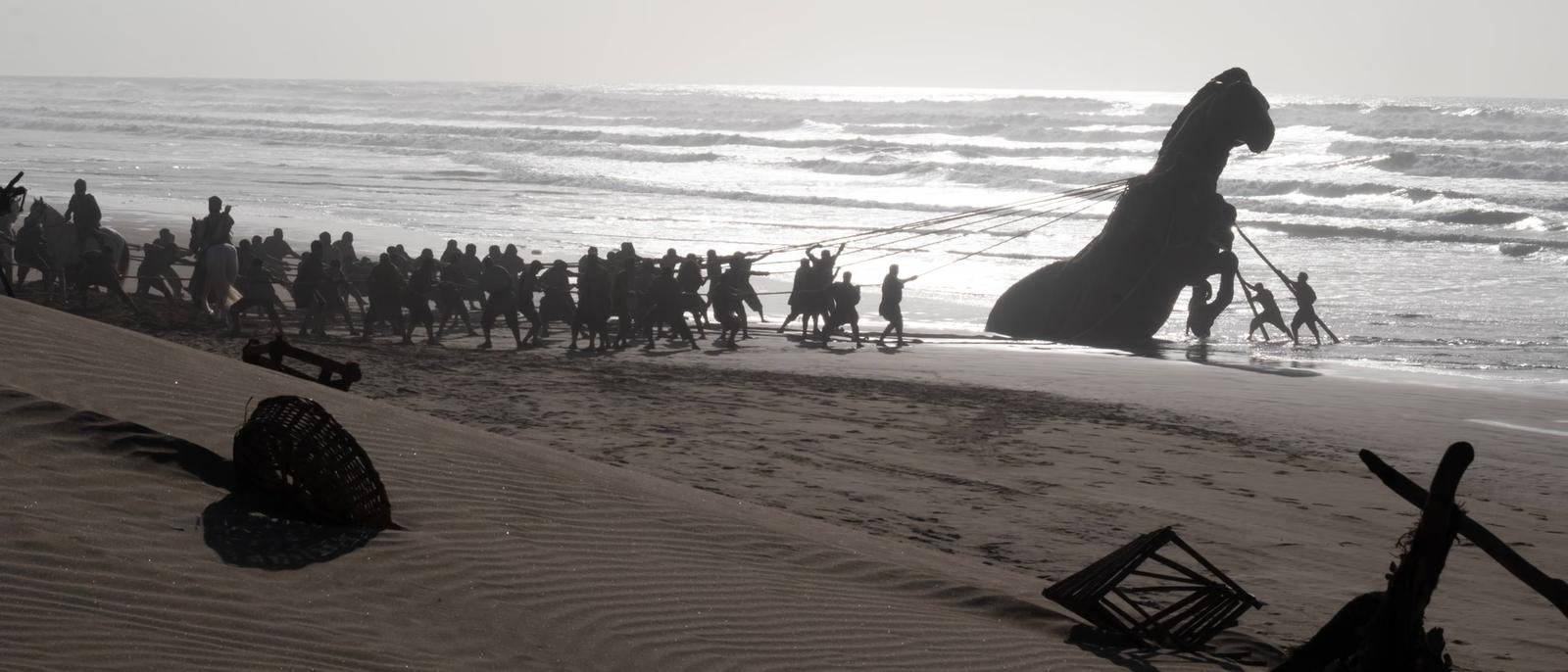
Nolan’s adaptation of Homer’s ancient epic is a production built for spectacle. Universal describes The Odyssey as a mythic action epic filmed across the world using IMAX film technology. Dakhla’s participation places the Moroccan destination within that international creative undertaking.
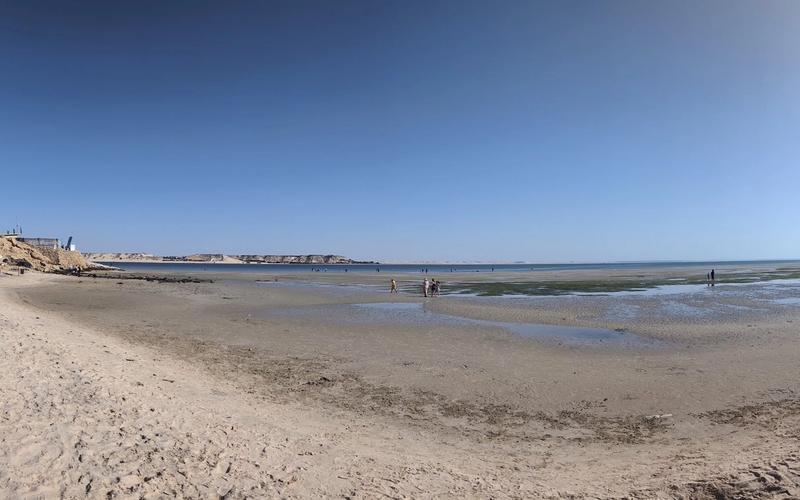
The setting helps explain the excitement. Dakhla brings together Atlantic shores, desert scenery and a lagoon celebrated for its striking waters. The Moroccan National Tourist Office highlights the destination’s beaches, surfing, kitesurfing and natural attractions, including the White Dune. These features give the region a distinctive visual identity: expansive, dramatic and shaped by the relationship between water, sand and sky.
For a story associated with sea voyages and distant shores, that environment offers obvious creative possibilities. Its appeal lies in the scale and variety of the landscape, allowing the imagination to move between the intimacy of a shoreline and the vastness of an ocean horizon.
There is also a documented account of how Dakhla entered the production’s plans. In a July 2025 interview with Médias24, Réda Benjelloun, director of the Moroccan Cinematographic Centre, said Nolan had initially considered Bermuda or Australia for maritime sequences before choosing Dakhla. Benjelloun also explained that the production had filmed in Essaouira and Ouarzazate before coming to the southern city. His account underlines Dakhla’s ability to compete for international filming opportunities.
Behind the scenery stands the work required to deliver a demanding production. In the same interview, Benjelloun pointed to Morocco’s experienced crews, equipment, studios and diverse locations as important strengths. His assessment places Moroccan professional expertise alongside the country’s natural beauty in explaining its appeal to filmmakers.
The production’s financial footprint provides another concrete measure of its importance. The Moroccan Cinematographic Centre’s official 2025 report lists Nolan’s project under the working title Charlie’s Tale and identifies it elsewhere in the report as Charlie’s Tale (The Odyssey). It records approximately MAD 252.2 million in production expenditure invested in Morocco and names Zak Productions as the executive production company. This figure covers the production’s work across Morocco; the report does not identify it as expenditure in Dakhla alone.
For Dakhla, the lasting opportunity is to turn this experience into further creative activity. Future productions could create additional demand for accommodation, transport, catering and technical services. Developing local skills and relationships with production companies would help the region build on the experience of hosting a project of this scale.
Tourism offers another possibility. Dakhla already has a distinctive identity built around its lagoon, beaches and water sports. Its connection with The Odyssey gives tourism businesses and cultural institutions a new story to tell, inviting film enthusiasts to discover the real Moroccan destination behind the production. Any increase in visitor numbers would need to be measured, but the opportunity for thoughtful destination promotion is clear.
Nolan’s choice gives Morocco’s southern provinces a memorable place in the production history of The Odyssey. It is a moment worth celebrating for its creative ambition, the Moroccan expertise behind it and the possibilities it opens for Dakhla’s future in international cinema.