
International support for Morocco’s Autonomy Plan
The countries backing Morocco’s Autonomy Plan for the southern provinces, and what they have said.
- Home
- International support for Morocco’s Autonomy Plan
Since 2007, Morocco’s proposal for autonomy in its southern provinces has gathered support from governments in Europe, Africa, the Middle East, Asia, the Americas and the Caribbean. The articles below set out, region by region, what each government has said, quoting its own official statements and linking to the source.
The Autonomy Plan
Morocco submitted its autonomy initiative to the UN Secretary-General on 11 April 2007. It proposes regional legislative, executive and judicial institutions within Moroccan sovereignty and national unity, with local responsibility for regional affairs and resources. The state would keep powers including defence, foreign relations and the King’s constitutional and religious prerogatives, and the negotiated autonomy statute would be put to the populations concerned in a referendum.
The initiative is a framework for a negotiated settlement. Its detailed arrangements would still have to be agreed, which is why many governments pair their support with calls for negotiations and welcome Morocco’s efforts to clarify how autonomy would work in practice.
Support at the United Nations
On 31 October 2025 the UN Security Council adopted Resolution 2797, which supports negotiations based on Morocco’s proposal and refers to the potential feasibility of genuine autonomy. Many of the statements that followed, from Germany and Sweden to Japan and Canada, cite the resolution directly, as in Germany’s declaration of April 2026.
These governments continue to back the UN-led process: the Secretary-General, his Personal Envoy and the MINURSO mission. Their support for the plan sits alongside that commitment rather than replacing it.
Reading the statements
Support comes at different strengths. Some governments call the plan a serious and credible basis for negotiations; others describe it as the most feasible or the only basis for a solution; and some, including France and the United States, explicitly place the territory within Moroccan sovereignty. Each article keeps these distinctions, so a government’s position is described in its own words.
Articles
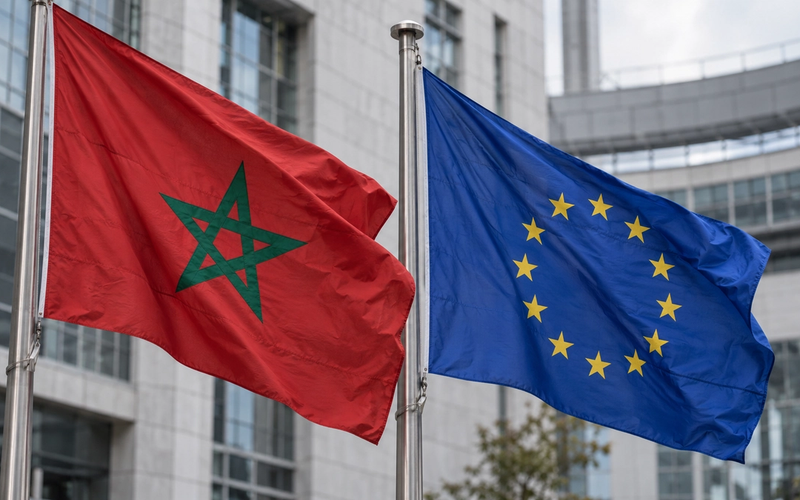
European support for the Moroccan autonomy plan
How EU governments describe Morocco’s autonomy plan, from a credible basis for talks to France’s explicit position on sovereignty.
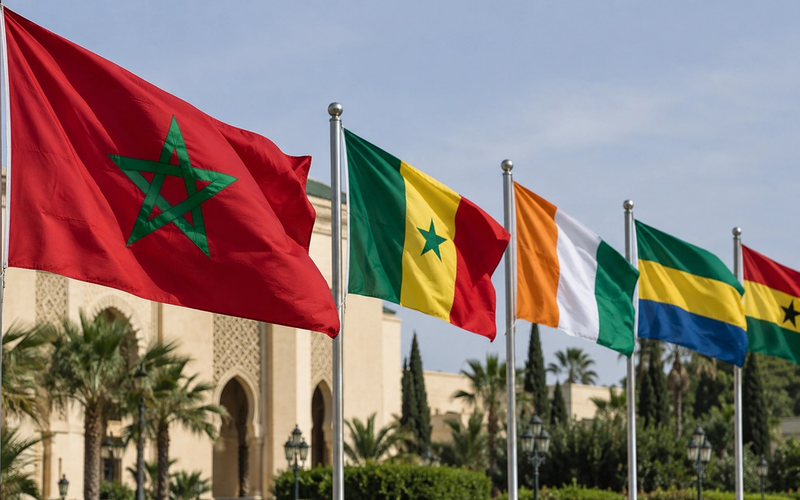
African support for the Moroccan autonomy plan
Ten African governments’ positions on Morocco’s autonomy proposal, from explicit endorsements to consulates in Laâyoune and Dakhla.
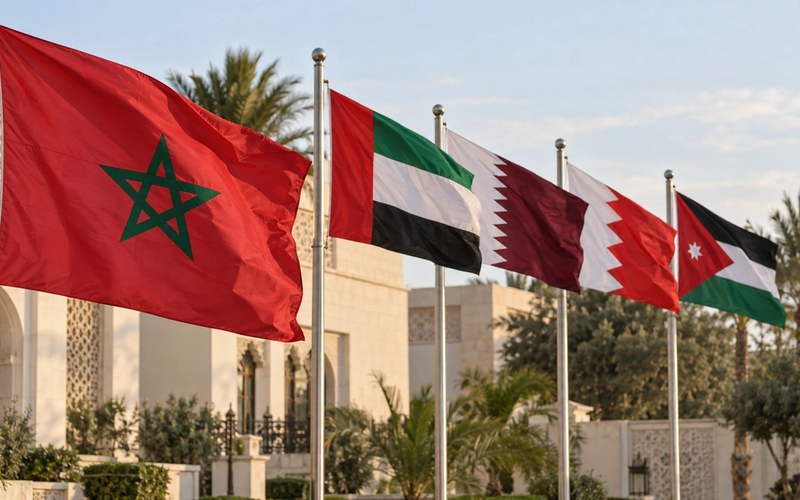
Middle Eastern support for the Moroccan autonomy plan
Gulf states and Jordan back Morocco’s autonomy proposal through regional declarations, bilateral diplomacy and consular representation.
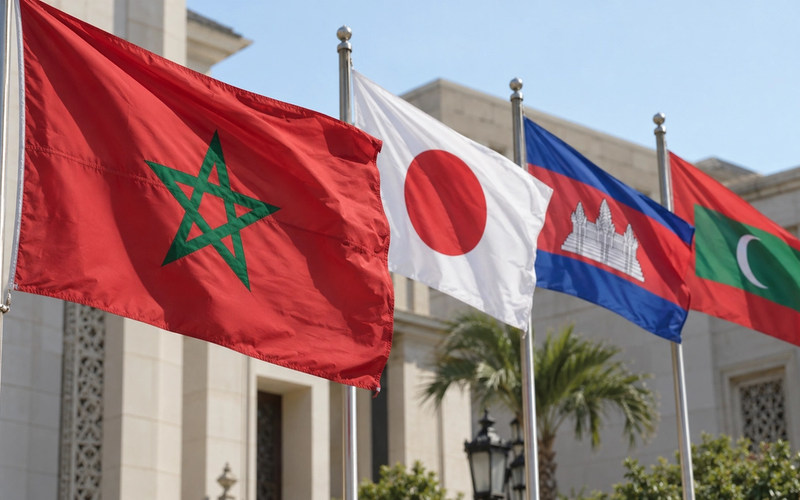
Asian support for Morocco’s autonomy plan beyond the Middle East
From Japan to Kazakhstan and the Maldives: how Asian governments beyond the Middle East describe Morocco’s autonomy proposal.
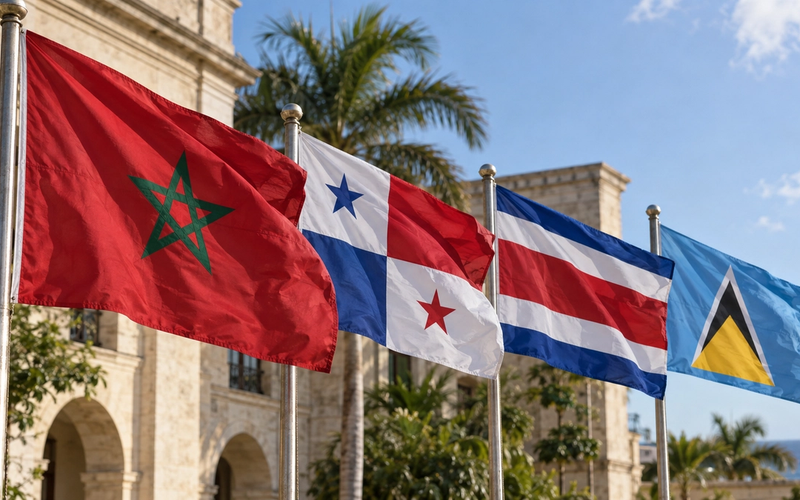
Central American and Caribbean support for Morocco’s autonomy plan
Statements, presidential meetings and consular offices: how Central American and Caribbean states support Morocco’s autonomy plan.
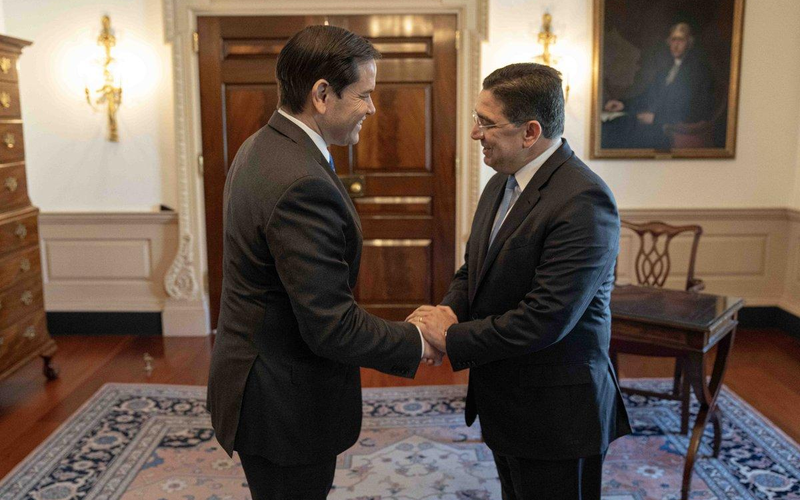
United States and Canadian support for Morocco’s autonomy plan: two paths toward a negotiated settlement
Washington recognises Moroccan sovereignty; Ottawa endorses autonomy as a basis for talks. Two paths toward a negotiated settlement.