The art of Saharawi tea: three glasses, three meanings
Inside the ritual that opens every conversation in the south.
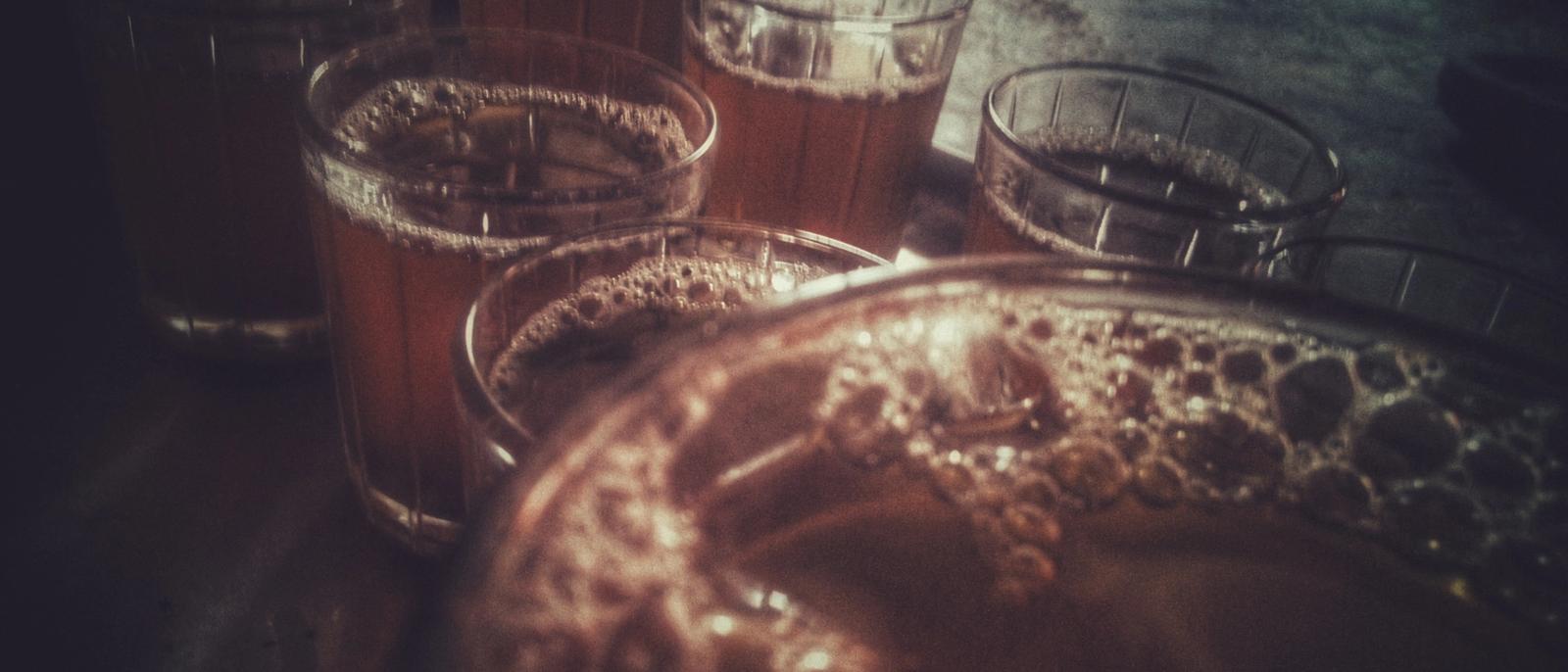
Photo: Mbarak Nafa, Wikimedia Commons, CC BY-SA 4.0
Glasses of frothy tea on a tray
In the south, no visit, deal or conversation begins without tea. In Hassaniya it is called atay, and preparing it is less a habit than a ceremony: slow, deliberate and shared. To be offered tea is to be welcomed; to leave before the third glass can seem rude.
The ritual
The host, often the eldest man or the person honoured with the task, sits by a small brazier with a teapot, a tray of small glasses and a box of green tea. The tea is rinsed, brewed over the embers and sweetened generously. Then comes the part that defines the Saharawi style: the tea is poured from a height, back and forth between pot and glasses, again and again, until each glass is crowned with a thick layer of foam. A good head of foam is a point of pride.
The whole process can take a long time, and that is the point. Tea is an excuse to sit together, talk and let the day slow down.
Three glasses, three meanings
Tea is served in three rounds, each brewed from the same leaves and each a little different in strength. A saying shared across the Moroccan Sahara gives each glass its own meaning:
The first glass is bitter, like life. The second is sweet, like love. The third is gentle, like death.
Leaving before the third glass can suggest you are in too much of a hurry for your host’s company.
The three Js
People in the south often say that good tea needs three things, each beginning with the same letter in Hassaniya: jmar, the glowing embers that brew it slowly; jmaa, the company you share it with; and jarr, taking your time. Without all three, it is just a drink.
Where the tea came from
Green tea is not native to the Moroccan Sahara. It arrived through trade in the 19th century, carried by merchants and caravans. One of those traders was Donald Mackenzie, the Scotsman who built Casa Mar at Tarfaya in 1882 and whose company supplied green tea to the people of the region. Within a few generations, tea had become inseparable from Saharawi hospitality.
If you are offered tea
- Accept: it is a sign of welcome.
- Stay for all three glasses if you can.
- Sip slowly, and enjoy the conversation. Nobody is in a hurry.